
Night Moves: Why “Noctourism” Is the Next Big Travel Trend
Travel has always been about discovery. And lately, more people are exploring the world after dark. This trend, now widely called noctourism, is changing how some travelers plan trips. Below we explain why noctourism is rising, highlight the most compelling after-dark experiences to try, and offer safety and sustainability notes.
Why noctourism is taking off:
Several forces are converging to make night-time travel experiences more popular:
- Demand for new perspectives. Travelers are tired of daytime crowds and overtourism; visiting well-known sites after dark offers a fresh, often quieter way to experience them.
- Strong consumer signals. Recent travel predictions show broad interest in night-focused experiences, with stargazing, after-hours tours, and nocturnal wildlife outings all growing in searches and intent.
- Commercial momentum. Luxury operators and niche tour companies have reported notable increases in bookings for nocturnal excursions.
- Celestial timing. The 2024–25 solar maximum boosted interest in aurora trips, increasing flight and tour capacity to places like Tromsø and other high-latitude hubs.
Together, these trends are turning night into a new frontier for authentic, memorable travel. Is it right for you?
Five unforgettable noctourism experiences to try:
1. Night Safaris
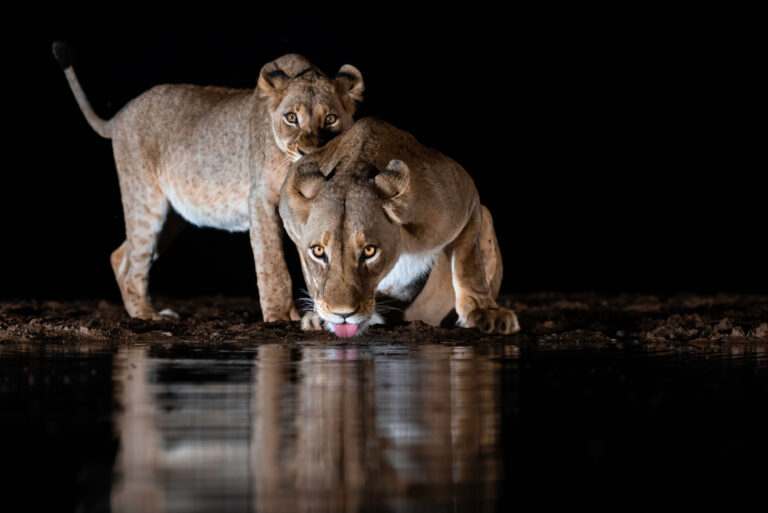
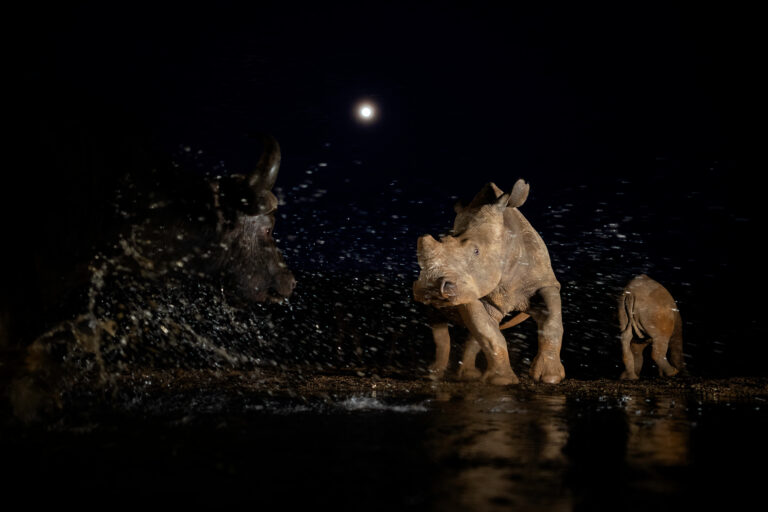
An air of mystery. Enveloping darkness. Echoing sounds. The flashing eyes of wildlife. Night safaris make a captivating experience! As many mammals are nocturnal, daytime safaris observe only a fraction of wildlife activity. In fact, did you know its been estimated that nearly 75% of Costa Rica’s creatures are nocturnal? Night drives, guided walks, and hikes reveal elusive species while offering a completely different rhythm and soundtrack. Depending on location, some of the animals you may spot during a night safari include leopard, Lesser Bushbaby, and African Civet. Operators across Africa, South America, and Southeast Asia are expanding night-programs to meet demand.
2. Chasing the Northern Lights
Interest in aurora travel has surged, with operators and airlines adding routes and sailings to improve sighting odds. While auroras require luck and the right conditions, some specialist operators now offer expert-led trips, “aurora promises” (rebook offers if lights don’t appear), and on-board astronomy programming for cruise guests. If you’re chasing the lights, plan for flexible nights, expert guides, and options that include other activities when the sky is cloudy. One destination recommendation for viewing is Fairbanks (within the Alaskan interior) for more clear skies. Other great places include Yellowknife, Canada, Northern Norway, Iceland, and Northern Sweden. In general, make sure you’re above the Arctic Circle and visit during peak times for your best chances. Don’t forget your tripod, wide angle fast lens, and extra batteries if taking photos.

3. Star-bathing and night-sky stays
Imagine the awe of standing underneath a sky full of twinkling stars. Dark-sky reserves and boutique “star-bed” accommodations even allow travelers to sleep beneath the Milky Way. Conservation groups have certified growing areas for night-sky protection, and lodges from the African savannah to remote deserts craft sleep-out experiences with high comfort levels—king beds, canopies, and even private hot tubs—so stargazing becomes both accessible and luxurious.
In addition, many U.S. national parks offer night sky programs, from telescope astronomy events to full moon walks with rangers. Read more about how to stargaze at home and during travel at https://www.nps.gov/subjects/nightskies/stargaze.htm.

4. After-dark city and heritage tours
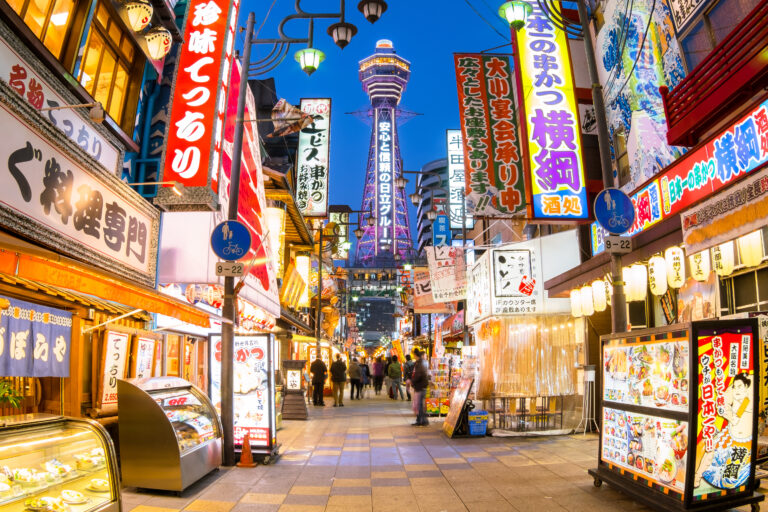
How about experiencing a different side of a city? Cities transform at night with lit facades, cooler temperatures, and fewer crowds. After-hours experiences range from candlelit Petra visits and limited-access Taj Mahal nights to neon walks in Tokyo and food-market tours in various cities. Did you know that in Italy night tours of the Colosseum and Vatican museums are possible? Night tours let travelers see famous places in a new light—literally—and often more intimately.Trying noctourism can enhance your vacation with a little planning. Be mindful when not all attractions participate and public transportation may be limited, however.
5. Night dives & bioluminescence
Certain creatures have the ability to produce their own light, like fireflies. The ocean after dark can be spectacular as guided night dives reveal bio-fluorescent reefs and plankton that glow when disturbed. Popular sites include Maldives sandbanks, Puerto Rico’s Mosquito Bay, Lan Ha Bay in Vietnam, and manta-ray night dives off Kona. While night diving remains a niche, guided options are increasingly available for certified divers and non-divers alike. Closer to home for U.S. residents, Florida offers bioluminescence kayaking and rafting tours throughout the year in the dark lagoon waters on the Space Coast. For example, from November to May, gentle and glowing Comb Jellies congregate in the protected waters of the Indian River Lagoon.

Noctourism is thrilling, but it requires thoughtful planning:
- Season & timing matter. Aurora chases differ from star-bathing and night safaris. Be sure to align your dates and local conditions to the experience you want. Keep in mind cooler temperatures once the sun goes down and be prepared with extra layers for comfort.
- Expert guides are essential. Night operations need skilled leaders for safety (wildlife, terrain, currents) and the best viewing strategies; choose operators with strong local reputations and safety records. As with any travel, err on the side of caution. Things look and feel differently at midnight than they do at noon.
- Respect dark-sky initiatives. If you’re visiting protected night-sky reserves, minimize light pollution, follow park rules, and support conservation fees. These protections are what keep the stars visible.
- Environmental caution for marine experiences. Bioluminescence and night dives are delicate. Opt for low-impact operators who follow wildlife guidelines, avoid flash photography when directed, and enforce strict no-touch policies.
Nocturnal travel often requires special logistics. Late returns, expert guides, special permits, and flexible transport are essential. If you’re curious about designing a noctourism trip, whether for a corporate incentive, a small-group adventure, or a private bucket-list chase, ADTRAV can build it end-to-end.
Ready to travel after dark?
Noctourism turns familiar destinations into freshly mysterious places and opens access to wildlife, skies, and cultural performances you simply don’t see by daylight. If you want to explore the night safely, sustainably, and with insider access, let’s plan it together.